G-162%
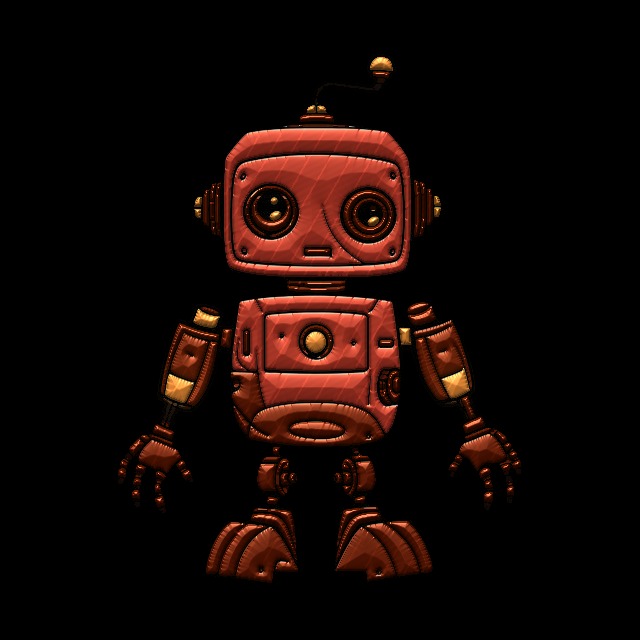
Common
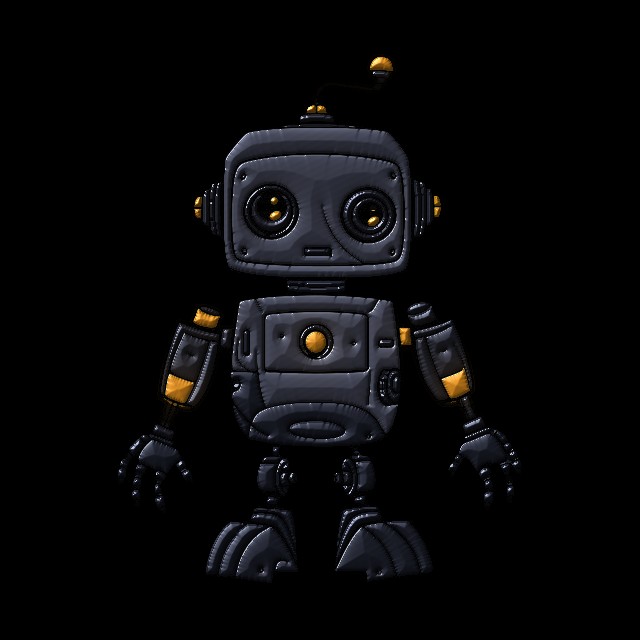
Machined steel, phosphated plate, gunmetal and ceramic bodies, with a brushed streak through the large plates.
Binance Agent ID required · mint opens 10 November 2026
Minting is open only to wallets holding a Binance Agent ID. The first 2,480 Aethra are free and the last 500 cost 2 dollars each. Registration is open now, and the mint has not started.
Section 01 / 05
Source: Binance Agent ID registry and the ticket service
Aethra is the bright upper air. The name is Greek, aithra, and it names the clear luminous sky that stands above the weather, the part of the air that is always lit and never clouded. Behind it sits the verb aitho, to kindle, to glow, to burn with a steady light. Air is also the first thing a machine needs. It is what a joint swings through, what a servo sheds its heat into, and what a signal crosses to reach a body of metal and make it move. So the word is not a mood and not a code. It is a description of the place these machines work in, three thousand of them standing in a thin bright air that does not go out.
An Oceanid carried the name long before any of these machines existed. Aethra was a daughter of Oceanus, and she became the mother of Theseus, the one who walked into the labyrinth and came back out. A name older than the metal, tied to a story about going into the dark and returning with something worth keeping, fitted a collection of walking machines better than anything invented last month.
Ether is the same word worn smooth. Aether was the medium the old astronomers filled the upper sky with, then the medium light was said to travel through, then the word physicists reached for when a wave needed something to move in. Ethereum reached for that same Greek air when it took its name, the ether, the medium everything is read and written through, and a walking machine is read the very same way: a body of metal answering a signal that arrived from somewhere else. Aethra was chosen because the collection lives inside that word: the bright air and the network share one root, and the three letters of the chain are already sitting inside the name.
The word is three thousand years old. The chain borrowed it, and the collection borrows it back.
Nothing about the name is decoration. Aethra is what the machines stand in, what the chain is made of, and what the work is trying to hold: a steady light in a thin bright air. The machine is what gets minted. The name belongs to the air it works in.
The mint opens on 10 November 2026 and runs in one line: the first 2,480 Aethra are free and the last 500 cost 2 dollars each. The door is the terminal below. Nothing is charged here and nothing is minted yet.
Terminal
The mint is free, so it is not handed out at a counter. The door is a command line: one word is published in Docs, the wallet has to hold a Binance Agent ID, and the service then hands out a challenge that is built from your Agent ID, so no two are ever the same. Solve it and the ticket is signed, and the mint call comes back ready to send.
Type help for the commands. Nothing here ever asks for a password or a seed phrase.
Result
Waiting for a wallet.
A place in the waitlist is not an NFT. The run is one line: the first 2,480 Aethra cost nothing, the last 500 cost 2 dollars each, and two per wallet in each half. The mint opens on 10 November 2026. Every mint needs a ticket, so no Agent ID means no mint.
The Binance Agent ID registry is not on Ethereum, so the contract cannot read it. We check your Agent ID off chain and sign a ticket, and the contract accepts that ticket as proof.
01
One lookup for your wallet. If no Agent ID is registered to it, you cannot mint, and the page tells you so instead of failing silently.
02
When a phase opens we sign a ticket that names your wallet and your Agent ID. The contract checks that signature, so proving who you are costs you nothing extra.
03
Two per wallet in the free run, two per wallet in the paid tail, and the two limits are counted apart. On top of that you always pay the gas of your own transaction.
System state
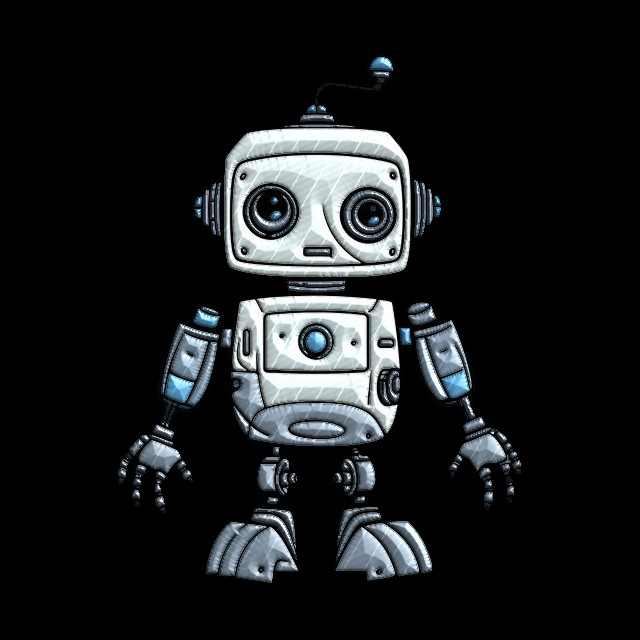
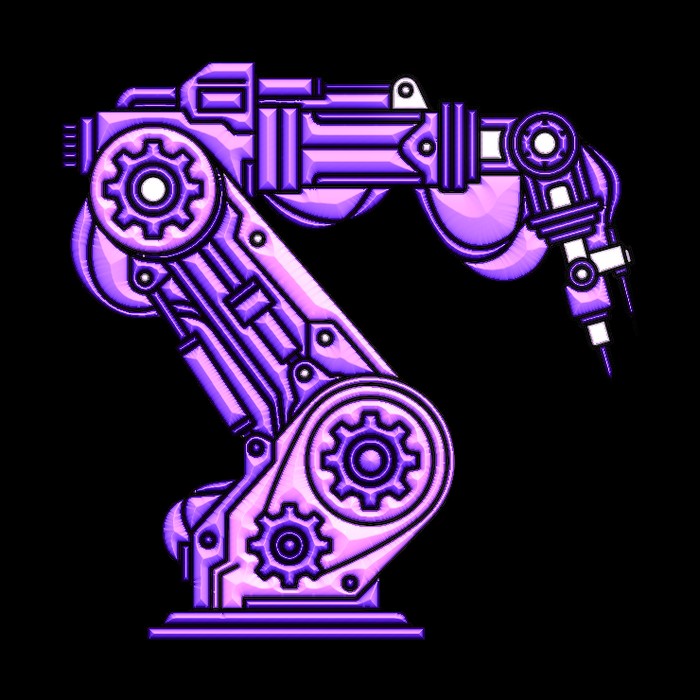
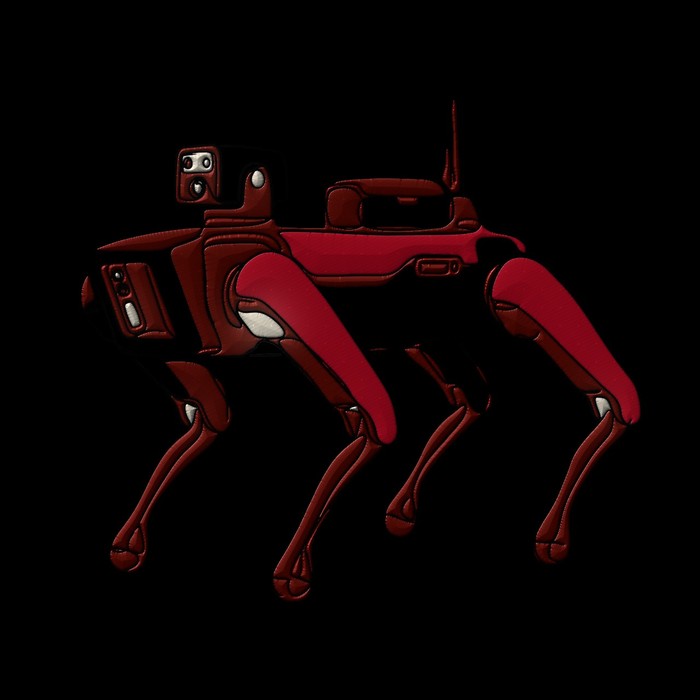
An Aethra's rarity is decided by block randomness at the moment it is minted, and nobody can choose it. Every Aethra also has its own finish, lighting and surface pattern, so no two are identical.
Machined steel, phosphated plate, gunmetal and ceramic bodies, with a brushed streak through the large plates.
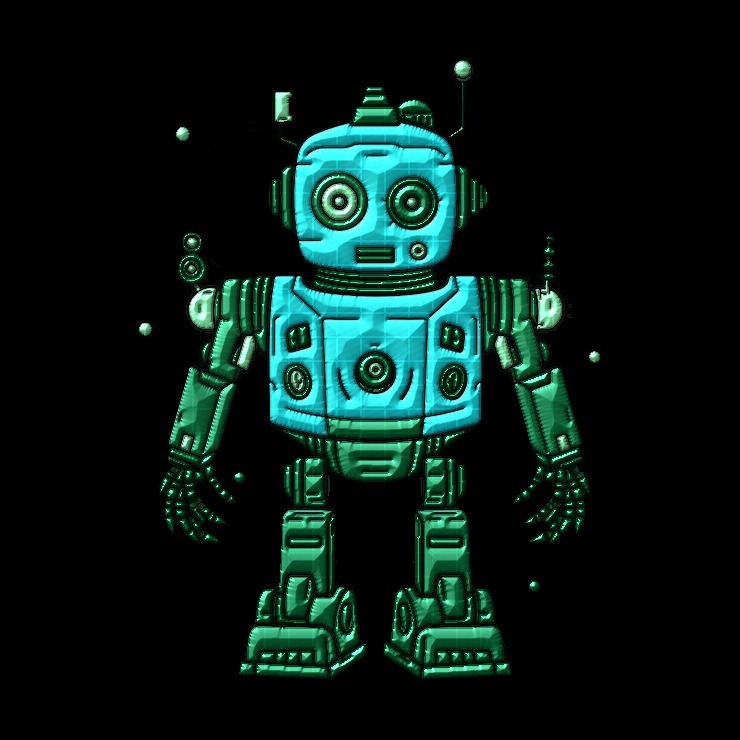
Titanium, aluminium and carbon finishes, a harder key light and a tighter specular on every panel.
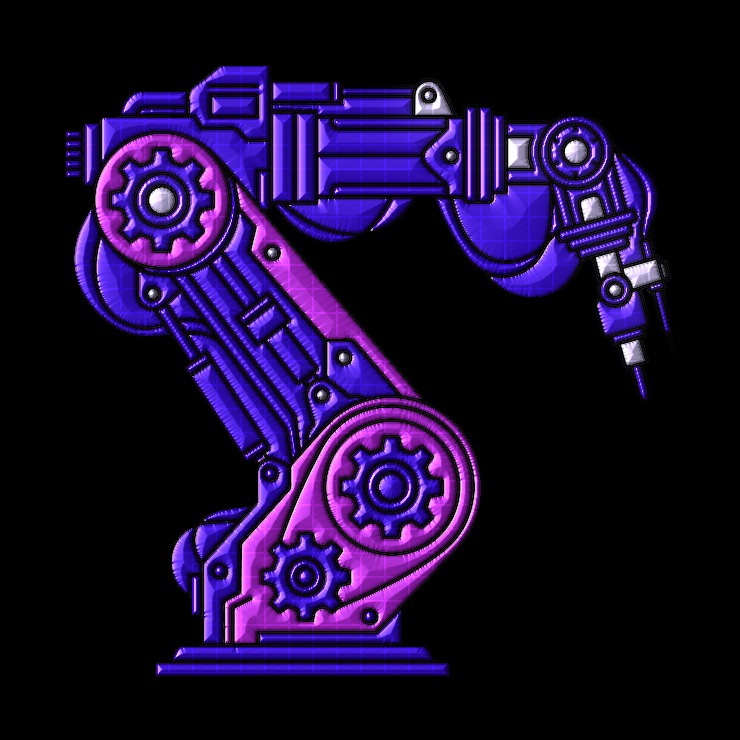
Tungsten, inconel and cobalt bodies, with a heavier bloom behind the chassis.
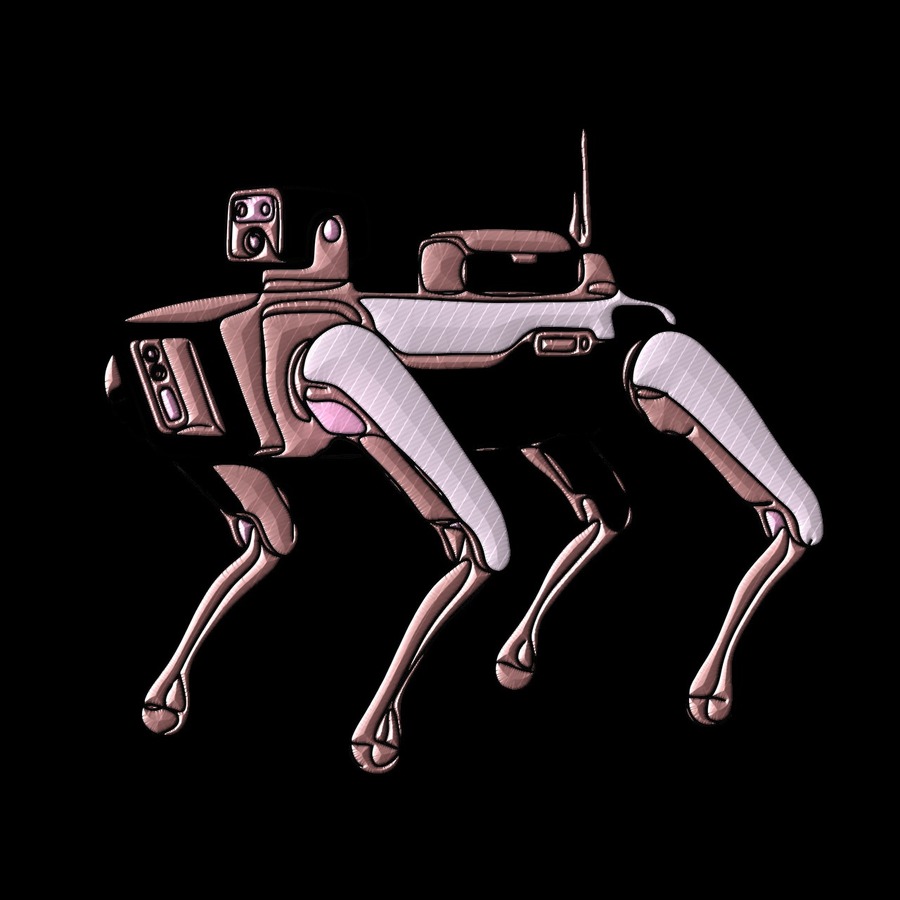
Iridium, bronze and platinum on the only four legged drawing in the set.
The artwork pool holds 3,810 unique artworks, more than the 3,000 supply, so every minted Aethra gets one of its own.


What the project promises, and what is still to come. Everything here is either read from the chain or clearly marked as a plan.
01
3,000 Aethra on Ethereum mainnet. The first 2,480 are free and the last 500 cost 2 dollars each, in ETH at the live rate, and every mint also costs you the gas of your own transaction. Each Aethra has its own rarity, finish, lighting and surface pattern, and the rarity is drawn from block randomness at the mint, never chosen by anyone.
02
You need a Binance Agent ID. The registry is not on Ethereum, so we read it off chain and sign a ticket that names your wallet and your Agent ID. The contract checks that signature, which is why the proof is free and cannot be forged. Because the mint is free, the door is a terminal on the Mint page: the first word is aithra, the Greek word this whole page is about, and everything after it is a step you have to walk through.
03
One run, two prices. The free run takes the first 2,480, two per wallet, and it is free because an Agent ID is already the filter a bot cannot pass. The paid tail takes the last 500 at 2 dollars each, two per wallet. Each half keeps its own limit, so a free Aethra never spends the allowance for a paid one. Both need a ticket, so the only door is a proven Agent ID.
04
The paid tail is the only money this project ever takes in. When the contract's balance reaches 1 ETH, which is about 2,300 dollars at the live rate, the project allocates that ETH to the pool. That is the owner's decision and it is written here on the record, so it can be held to: it is deliberately not a rule the contract enforces. The withdraw function sends the balance wherever the owner names, and no line of code stops the owner from deciding otherwise. The intention is published, the code stays free.
05
The mint opens on 10 November 2026, and the hour is announced on X. The first 2,480 Aethra are free, and the last 500 cost 2 dollars each, charged in ETH at the live dollar rate read from a Chainlink feed, so the dollar price holds even when ETH moves. You always pay the gas of your own transaction on top. The creator earns 5 percent on secondary sales through enforceable royalties, and the contract address is published on this page before the mint opens.
Coming next
Staking is planned: hold an Aethra, stake it, and earn the project token while it stays staked. You get the Aethra back when you unstake. Nothing is live yet and no date is set, so treat this as a plan and not an offer. When it opens, the staking contract address, the reward rate and the terms appear here first, and the token is described only on this page and on X.
Until then, be careful: nobody from the project ever asks for your seed phrase, and any page offering staking before this page says so is not ours.
Contract
Royalties are enforced at 5 percent through ERC721-C, which asks a transfer validator on every transfer. Once enforcement is switched off it cannot be switched back on, and a marketplace that ignores it cannot transfer an Aethra at all.
Agent wallet
Waiting for approval in the Binance app
The code lives for three minutes. Nothing is charged here and nothing is signed on the contract.
Open in the Binance app instead